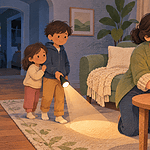
“Time to go” can be hard to hear when a tower is almost finished or the swings have just opened up. Pick one change in the day and give your child a clear next step.
What to say when it’s time to stop playing
Go close enough to be heard without crowding. Point to what’s happening now, then show what comes next. At the playground, that might be one last slide followed by walking to the gate together. If the last slide is already over, say so and offer help with the next step.
Words to try. “You wanted another turn. It’s hard to leave. Now we’re walking to the gate. Next we’ll get into the car. I’ll walk with you.” Then pause. Your child can be upset and still have your help moving on.
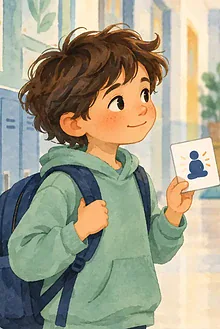
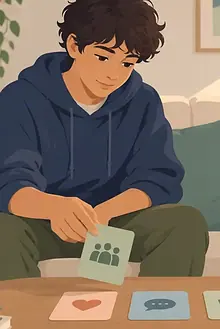
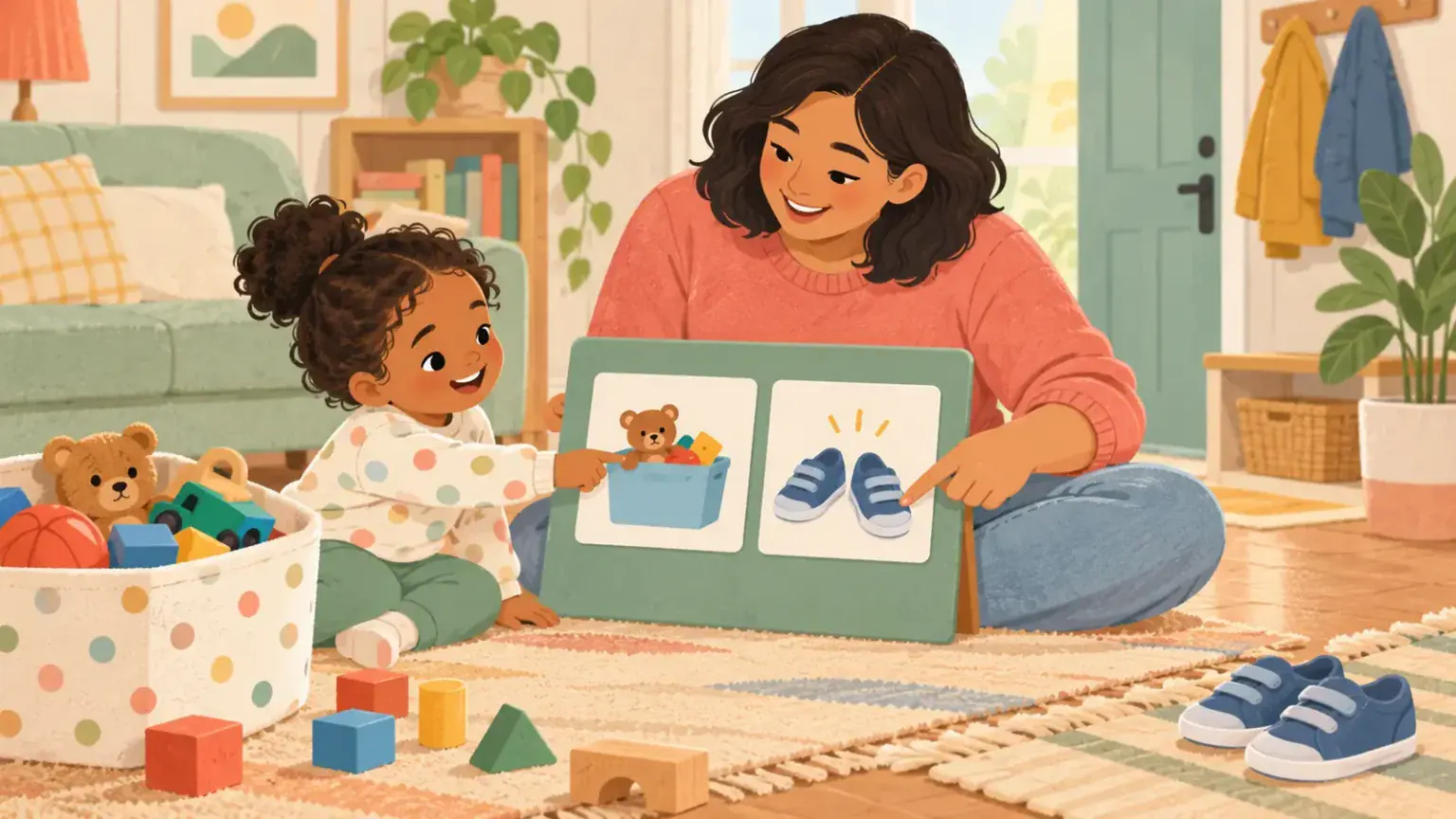
Open the free now-and-next transition card to type two short steps or print a blank card. Two boxes on scrap paper work too.
Adapt the now-and-next card for your child
- Preschoolers. Draw a simple picture or show the actual object, such as the shoes by the door. Point and use a few words in the language your child knows best.
- School-age children. Agree on a stopping point together when you can. Try “Save the game, then come for dinner,” or ask what would make the change easier.
- Different ways to communicate. Try a spoken cue, a gesture, large dark text or familiar objects. If your child uses a communication device or signs, give them time to respond in their usual way.
If your child is too upset to look at the card, put it aside, stay nearby and use fewer words. Once things settle, see whether the next step needs to be smaller or whether an adult can do part of it with them.
What to try next
Use the one-minute feelings check-in at a quieter moment. For examples of using the card as a cue, read the now-and-next board guide.
If your toddler is already very upset, see what you can do during a tantrum.
Sources and editorial review
- CDC’s tips for noticing and naming emotions in young children
- National Center for Pyramid Model Innovations’ visual supports and first/then boards
Editorial source check: 7 November 2026. The examples are for everyday transitions.