A child notices that nobody can find the board-game pieces. They design a labelled storage box. That small sequence, spotting a problem and trying an idea, is a useful place to begin. It does not need a company name or a sales target.
Start with something they care about
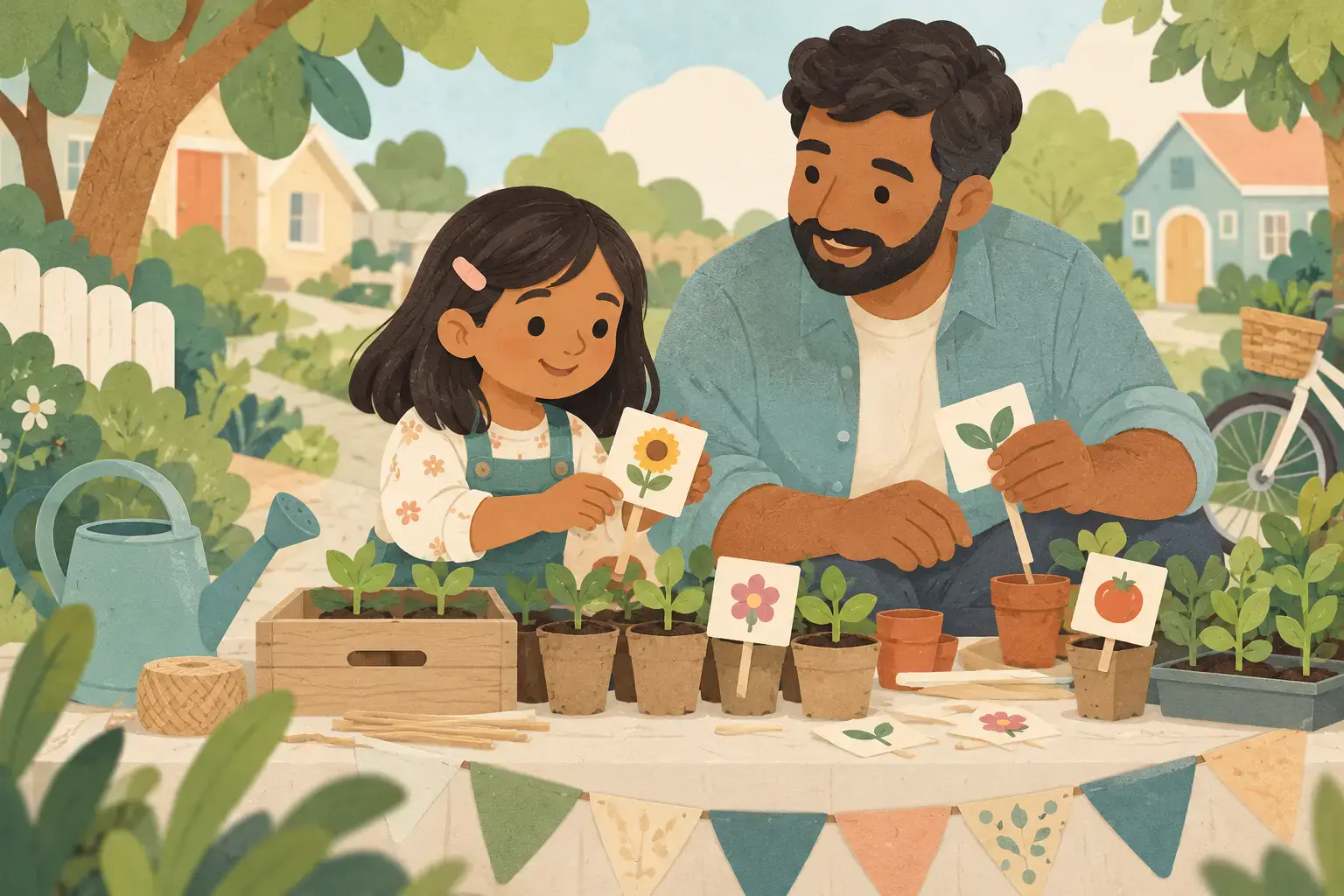
Ask, “What would make this easier?” Your child might want to organise shared sports equipment, plan a pretend plant stall or design a game for a younger sibling. Let them choose whether to explore the idea. A hobby is allowed to remain a hobby.
Make the first experiment small
- Name the problem. Who would use the idea, and what do they need? Listen before deciding on the solution.
- Sketch a first version. Paper, a drawing or a cardboard model keeps the stakes low. Start with materials you already have.
- Try it with someone trusted. Ask permission and invite specific feedback: “Was the box easy to open?”
- Change one thing. A confusing label or a wobbly base is information about the design, not a verdict on the child.
- Decide whether to continue. They can improve it, choose another idea or stop. Finishing every project is not a condition of your support.
If money becomes part of the project
Use a pretend budget first. Separate the cost of materials from the money received, and show that sales do not automatically equal profit. Agree a small spending limit that the family can comfortably afford. Do not encourage borrowing or promise that hard work guarantees a financial return.
An adult must handle permissions, local rules, payments, personal information and any contact with customers. Do not send children door to door or leave them to manage strangers, deliveries or online accounts. Food sales bring additional hygiene, allergy and legal requirements; a pretend shop avoids those responsibilities.
Let the child do the interesting part
Offer help without taking over every choice. You might say, “Would you like a suggestion, or do you want to test your version first?” Adults remain responsible for safety even when children choose the colours, materials or design.
Protect school, rest, play and friendships. Do not compare a child’s small experiment with stories of young founders or tie their worth to how much they sell. A project that teaches them to ask a question, explain an idea or revise a plan has something to offer even if no money changes hands.