A science fair project should show what the student wondered, tried, observed and learned. Adults still have important jobs: protecting safety, checking rules, helping obtain materials and making time possible. The boundary is simple to state and sometimes hard to keep—the student owns the research.
Ask, do not assign
Begin with the child’s questions. “What have you noticed?” and “What would you like to compare?” are more useful than presenting a polished project idea. Help narrow a broad interest into something observable and achievable within the deadline, space and budget.
Check rules before experimentation
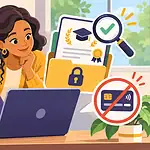
Find the current rules for the specific school or fair. Some projects need approval before any data is collected, especially those involving people, animals, biological material, chemicals, devices or hazardous activities. Do not assume permission can be obtained afterward. Identify the teacher, adult sponsor or review committee that can answer questions.
Draw a responsibility line
- Student: question, plan, procedure, data, analysis, logbook, conclusions and presentation.
- Adult: safety review, transport, purchasing within the budget, access to tools and reminders about deadlines.
- Specialist: supervision or approval when rules require expertise.
An adult can demonstrate safe tool use on scrap material, but the student should perform eligible project work and understand every step.
Use planning supports transparently
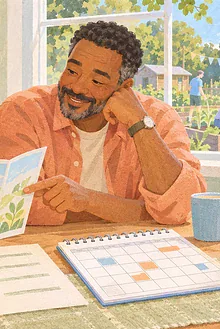
A calendar, checklist, speech-to-text tool or accessible template can remove an organisational barrier without supplying the scientific thinking. Record assistance that the rules require the student to disclose. If AI is permitted, keep prompts and verify output; never use it to invent data, citations or a conclusion.
Let imperfect results remain
A project does not need to prove the original hypothesis. Unexpected or inconclusive findings can support a strong explanation of limitations and next steps. Adults should not repeat trials secretly, clean up inconvenient data or rewrite the display in a voice the child cannot explain.
Prepare for questions
Ask the child to explain why they chose the question, what changed, what stayed constant, where uncertainty entered and what they would do differently. If an answer is unknown, “I did not test that” is more credible than guessing. Practise with encouragement, not a memorized adult script.
Make participation accessible
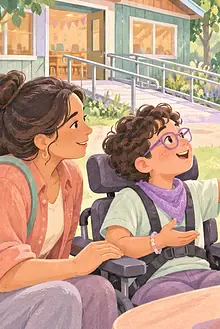
Ask the organiser early about physical access, communication support, sensory needs, display height, breaks and alternatives to standing presentation. Adaptation should allow the student to show their work, not reduce their ownership.
For interpreting evidence, revisit sample size and confidence intervals and association versus cause.
Agree in advance how much time and money the family can contribute. Clear limits reduce the temptation for adults to rescue the project near the deadline.
Sources and further reading
- Society for Science: Roles and Responsibilities of Students and Adults
- Society for Science: Rules for All Projects
Use a help log
Keep a short record of adult assistance: drove to a supplier, demonstrated safe cutting, explained a spreadsheet command, or reminded the student of a form. This makes boundaries visible and helps the child answer honestly when judges ask who supported the project.
Choose safety over spectacle
A smaller project with well-understood methods is better than a dramatic experiment requiring equipment, organisms or chemicals the student cannot use safely. Substitute a model, simulation or non-hazardous comparison when the rules and learning goal allow. Never improvise around a prohibited activity.
After the fair
Review the feedback without ranking the child’s worth. Ask what evidence surprised them and which question remains interesting. Store or dispose of materials safely, revoke shared data links and thank mentors. If the project continues, check whether a new research year or changed method requires fresh approval. The lasting outcome should be a student who understands the work, not an adult-perfect display.
Photograph the student working only with their agreement and if the fair permits it. Process pictures can document ownership, but they should not reveal other children, addresses or unsafe practice.