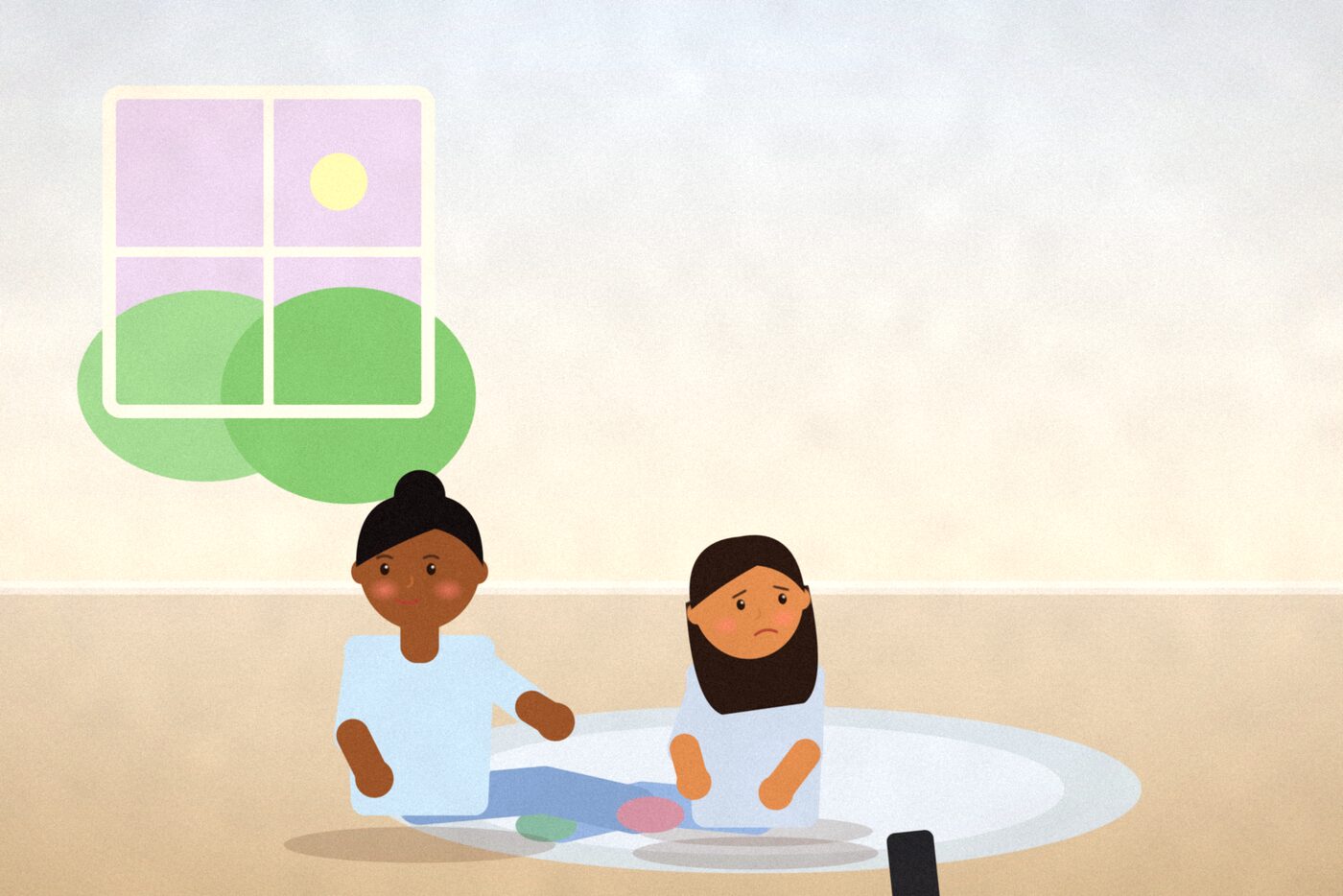
Stress in a teenager rarely announces itself. It shows up sideways: a stomach ache before school that has no medical cause, a sudden short temper over something small, a teenager who used to talk about their day and now answers in one word. Parents often only recognise it in hindsight, once a pattern has been going on for weeks.
Why it is easy to miss
Teenagers are, as a rule, not great at identifying stress in themselves, let alone naming it to someone else. The American Psychological Association notes that young people often find it hard to recognise and put into words that what they are feeling is stress at all, so it tends to come out as behaviour rather than a stated feeling, irritability, withdrawal, or physical complaints, rather than “I’m stressed.”
That means the signs worth watching for are changes from your teenager’s own baseline, not a fixed checklist that applies identically to everyone.
What to actually watch for
Physical signs. Headaches or stomach aches with no clear medical cause, changes in sleep (too little or suddenly too much), appetite changes, and a general sense of being tired that rest does not fix.
Behavioural changes. Withdrawing from friends or activities they used to enjoy, a drop in school performance, increased irritability or snapping, or the opposite, becoming unusually quiet and compliant.
Emotional signs. A teenager who seems persistently worried, overwhelmed, or on edge, even about things that would not normally bother them this much.
The key word throughout is change. A naturally quiet teenager going quiet is not necessarily a sign of anything. A normally chatty, easygoing teenager going quiet and irritable for several weeks is worth paying attention to.
A good first question
Rather than “are you stressed?”, which a teenager may genuinely not know how to answer, try something more concrete: “You’ve seemed pretty tired and on edge the last couple of weeks, is something going on?” Naming the specific change you have noticed, rather than asking an abstract question, makes it easier for them to engage.
Helping a teenager find the actual source
Once stress is acknowledged, the next useful step is identifying where it is actually coming from, which is not always obvious even to the teenager themselves. A simple way in: “If you had to guess, what’s the biggest thing weighing on you right now, school, friends, something at home, something else?” Often there is one dominant source, even when it feels like everything at once.
What actually helps
Some stress is useful, the nervous energy before an exam or a performance that sharpens focus. The goal is not to eliminate all pressure from a teenager’s life, which is neither possible nor useful, but to help them manage stress that has tipped from motivating into overwhelming.
A few things that reliably help: regular physical activity, even a short walk, which genuinely reduces stress hormones; enough sleep, which teenagers are chronically short of and which makes everything else harder to cope with; and simply talking it through with someone, which on its own tends to make a stressor feel more manageable, even before any actual solution is found.
What tends not to help: minimising it (“everyone has exams, it’s not a big deal”) or immediately jumping to fix it before your teenager has finished explaining what is actually wrong. Let them get the whole picture out first.
When to bring in more support
If stress is persistent, lasting weeks rather than days, and is clearly interfering with sleep, eating, friendships, or school, that is a reasonable point to involve a school counsellor or a GP. Tackling significant or ongoing stress is not something a parent needs to manage entirely alone, and a professional can help identify whether what looks like stress is tipping into something that needs more structured support, such as anxiety.
Reaching out at that point is not an overreaction. It is simply recognising that some things are easier to work through with the right support in the room.