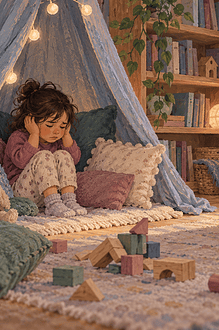
“They were fine in class,” says the teacher. Fifteen minutes later your child is sobbing because the zip on their schoolbag has jammed. Both accounts can be true. “After-school restraint collapse” is a phrase some parents and clinicians use for this pattern. It describes what you’re seeing. The reason can differ from child to child, and from one day to the next.
Compare the last hour of school with the first hour at home
If this keeps happening, jot down a few details across three school days. When did your child last eat? Was the bus loud or crowded? Did the tears start at pickup or when you asked about homework? If your child settles after taking off itchy socks and having a drink, write that down too. Small details give the teacher something specific to look for.
Let your child settle before asking about the day. Later, try one concrete question. “Which bit felt hardest today, lunch, the bus or something else?” They can point, draw or tell you another time. If they mention being hurt, threatened or bullied, follow up with the school promptly.
Send a short note the teacher can answer
“Hi, we’ve noticed that Maya often cries or yells soon after getting home, especially on PE days. Could you tell us what the last part of those days is like for her? I’d love to compare what we’re each seeing.”
You might ask whether your child gets enough time to eat, whether they seem worn out in the last lesson, or how they manage lining up and packing up. Pick one question that fits your notes. Some children go quiet when they’re struggling, so ask about changes in participation as well as visible distress.
agree on one thing to try
If dismissal is rushed, ask whether your child could have a packing cue before the bell. If the ride home seems to be the hard part, start by easing the demands at home. Try water and a familiar snack when they arrive, with a little quiet before questions about class. EdCaptain’s gentler after-school routine has more ideas for that first stretch at home.
Check in with the teacher after a week. If distress is intense, keeps recurring or makes school or family life hard, ask the school support team or a paediatrician to help you look at the wider pattern.