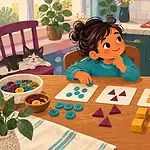
A child can be curious, articulate and knowledgeable yet find reading unexpectedly hard. Dyslexia is a learning difference involving reading and related language skills; it is not caused by low intelligence or laziness. One reversed letter or a dislike of reading does not diagnose it. What matters is a persistent pattern, its impact and how the child responds to appropriate teaching.
Notice patterns across time
Depending on age, concerns may include difficulty learning letter-sound links, blending sounds into words, reading accurately or fluently, spelling the same word in different ways, or needing far more effort than peers to read. Older children may understand well when listening but avoid reading aloud, take very long over written work or struggle to take notes while listening.
Record specific examples rather than collecting a list of internet symptoms. Include what the child can do, the instruction already provided and whether progress changes with targeted help. Reading development varies across languages and education systems, so interpretation should reflect the child’s language background and learning opportunities.
Talk with school and check access barriers
Ask the teacher how the child handles decoding, fluency, spelling and comprehension compared with classroom expectations. Request examples of work and information about reading instruction and intervention. NHS guidance recommends starting with the school’s additional-needs contact where available. A health professional may check hearing, vision or other conditions that can affect learning, although a doctor does not usually conduct a dyslexia assessment.
Support should not always wait for a formal label. The school can provide targeted reading instruction and access adjustments while progress is monitored.
What effective support can include
- explicit, systematic teaching of speech sounds and their links to letters;
- carefully sequenced practice in blending, reading and spelling;
- small-group or individual instruction when needed;
- audiobooks or text-to-speech so the child can access age-appropriate ideas;
- extra time, shorter copying demands and access to teacher notes;
- opportunities to show knowledge orally or through other formats.
HealthyChildren notes that explicit sound-letter teaching, multisensory approaches and accommodations can help. It also states that evidence does not support vision therapy or eye exercises as a treatment for dyslexia. Glasses should correct an actual vision problem, but they do not teach the reading skill itself.
When assessment may help
If difficulty persists despite appropriate support, a specialist assessment can describe strengths and needs and guide teaching. NHS guidance says this is usually conducted by an educational psychologist or specialist teacher in the UK; roles and access vary by country. Ask what areas will be assessed, how language and prior teaching are considered, and how recommendations will translate into the classroom.
Protect reading identity at home
Keep reading connected to meaning and pleasure. Read aloud books above the child’s independent level, share audiobooks, discuss stories and let the child choose subjects. Practise assigned skills in short, calm sessions, then stop before frustration overwhelms learning. Do not make siblings compete on reading speed.
Use accurate language with the child: “Reading takes more effort for your brain, and there are ways to teach and support it.” Highlight real strengths without suggesting that every dyslexic person has a special talent. The child is an individual, not a stereotype.
Progress may be uneven. Celebrate increased accuracy, confidence and willingness to use a strategy, not only movement through book levels. Keep school reading practice separate from bedtime when possible so stories can remain a source of connection. If homework repeatedly causes tears or consumes the evening, share the actual time and support required with the teacher.
For broader help, see EdCaptain’s guidance on asking for learning support without labelling, preparing for an appointment and turning an assessment report into a plan.