By EdCaptain editorial desk · Published
The sketchbook is in a cupboard. The instrument has not been opened for months. You used to read novels, but now choosing a book feels like work. When someone suggests making time for a hobby, you may wonder where the energy for becoming that person again is supposed to come from.
You do not need to resume at your old level or commit to a new identity. Begin by finding out whether one part of the interest still appeals to you. This is a guide for adult caregivers reclaiming their own creative or learning time, rather than planning another activity for children.
Find the part you miss
A hobby can contain several different pleasures. With photography, you might miss noticing light, walking somewhere unfamiliar, editing pictures or talking to other photographers. You do not have to bring back the whole package.
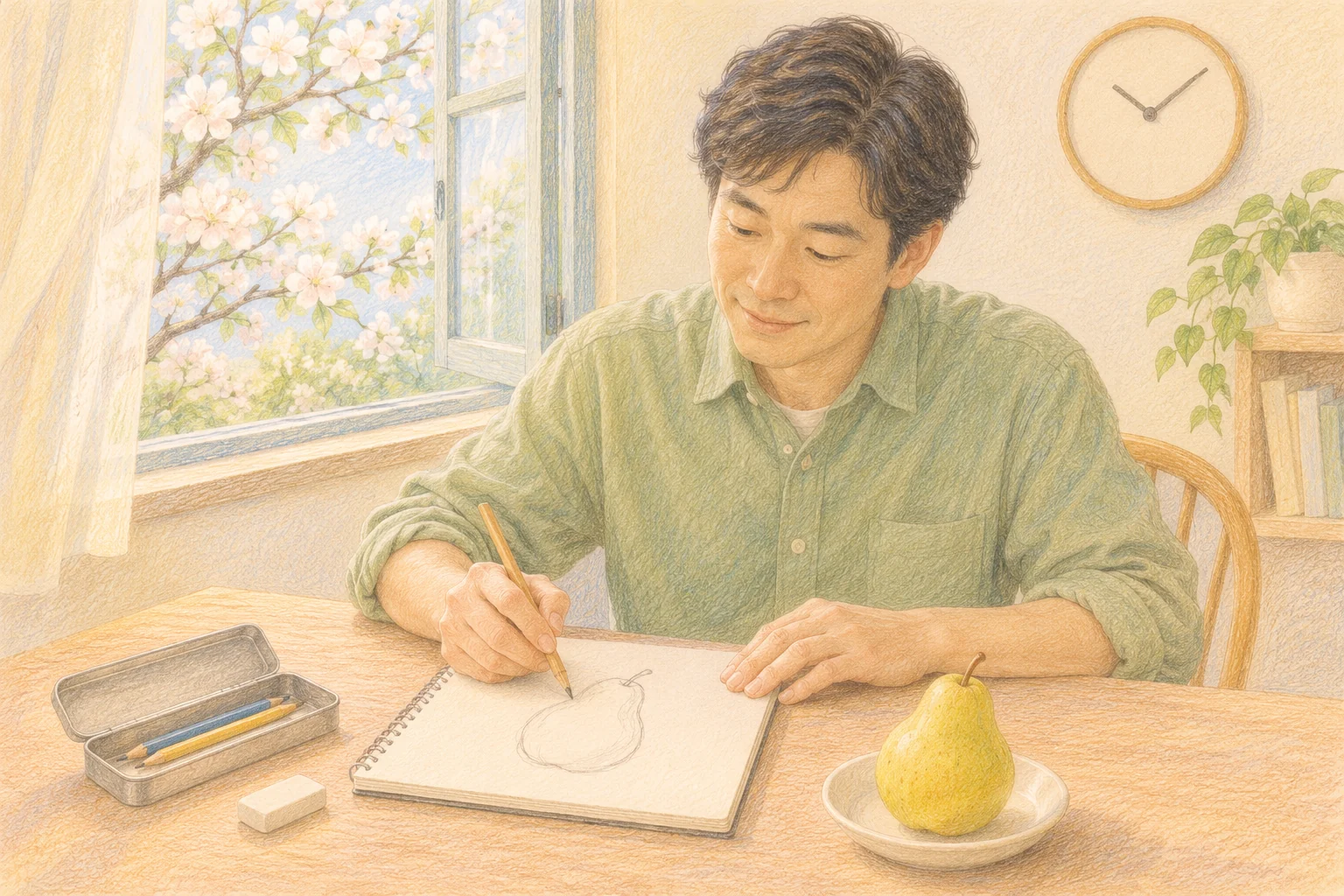
Ask yourself: “What would I like to do if nobody saw the result?” Perhaps you want to draw the shape of a pear, play a familiar phrase, read a short story or explore the history of one building. Choose the part that interests you now, not the version that once looked impressive on a profile.
If the old interest no longer appeals, you are allowed to leave it. Equipment already bought is not an instruction to continue. You can try a different interest without declaring that the previous one failed.
Make one first session, not a comeback plan
The NHS guidance on mental wellbeing includes learning and hobbies, while explicitly saying that qualifications and exams are unnecessary if they do not interest you. There is room for trying, refreshing and enjoying something without working towards a credential.
Choose a first session with a clear, modest end. For example:
- Open a book of short stories and read one, without setting a yearly reading target.
- Use one pencil and scrap paper to sketch an ordinary object, leaving colour and finishing for another time.
- Open an instrument you already know how to use safely and revisit a short familiar passage, without recording it.
- Look at a small selection of your own photographs and choose one detail you still like.
These are invitations, not a required routine. Pick something that fits your access needs and current energy. Listening to an audiobook, using an adapted grip or working on a supported surface can preserve the part you enjoy. Do not persist through pain or strain to reproduce an old method.
Try with what you have before buying a new start
It is tempting to replace the difficult first session with researching supplies. You may eventually need suitable equipment, but a large purchase can attach a new obligation before you know what you want.
Check what is usable, borrow when practical, or choose a no-purchase way to explore the subject. A library book can help you decide whether you still enjoy a genre. Existing paper can tell you whether drawing itself appeals before you compare sketchbooks.
For equipment that has been stored a long time, follow its care and safety instructions. Keep tools, small parts, cords and materials securely away from children when not in use. “Ready to resume” should not mean leaving hazards accessible.
Arrange a real pause in responsibility
UNICEF’s everyday self-care guidance encourages planning time for enjoyed activities and sharing plans so family members can support one another. That does not make a hobby possible by willpower alone.
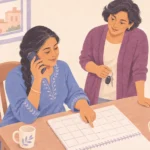
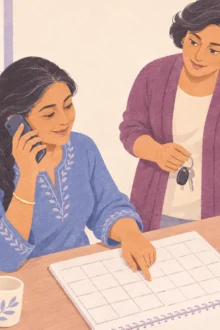
If the session needs uninterrupted attention, agree safe care with another capable adult. Be specific: “Could you take responsibility for the children while I draw, including answering their ordinary questions? Please interrupt if something needs me urgently.” Our guide to concrete caregiving requests can help with that conversation.
When cover is unavailable, choose an option compatible with the supervision you still owe, or postpone the session. Wearing headphones, concentrating on tools or leaving the room does not remove adult care responsibilities. Nor should a hobby displace sleep, food or needed healthcare when those are the more pressing needs.
Leave yourself a place to return
The hardest part of a second session may be remembering what you were doing. Before stopping, leave one short cue: “Next: try the handle shape,” a bookmark at the next story, or the name of the passage you want to revisit.
Put the usable materials together in a safe place. The cue is for your own convenience; it is not a deadline. You can return after two days or two weeks without completing a catch-up assignment.
If interruptions are frequent, choose a project that can stay unfinished. One loose page may fit your life better than a setup that takes half the available time to unpack. A larger project can wait until the conditions suit it.
Decide what you do not want this interest to become
You can enjoy a skill without posting progress, giving handmade gifts, running a family session or selling the result. When someone says, “You should turn that into a business,” try: “I’m keeping this as something I do for enjoyment.”
If you like goals, choose them. If a class or group interests you, check its schedule, accessibility, costs and expectations before committing. Ask about a trial session where available. You need not promise regular attendance before learning whether the format works.
Company is optional too. If the part you miss is conversation with people who share an interest, our adult connection guide offers ways to reopen that door. If you want a private interest with no audience, that is a valid choice.
Ask whether you want another session
After trying it, use a simple question: “Would I like to do some of that again?” You might discover that the activity was pleasant but the setup was exhausting, that you want company, or that a different subject would suit you better.
Change that part rather than grading your commitment. You do not have to improve each time, and an unfinished page is not a debt.
If nothing feels enjoyable, or persistent low mood is affecting your daily life, consider talking with a healthcare professional. The NHS advises seeking help when you are struggling to cope or self-help is not helping. A disappointing hobby session alone does not establish a diagnosis. If you cannot keep yourself or a child safe, seek urgent local help rather than waiting for an activity to improve things.
Returning to an interest can be an ordinary experiment in what you like now. It need not prove that you are productive, talented or doing self-care correctly.
Sources and further reading
- NHS: Learning, hobbies and mental wellbeing
- UNICEF: Everyday self-care strategies for parents
- NHS: Low mood and when to seek support
Read our editorial policy and health information disclaimer.