Teaching a child about body safety does not require a single dramatic conversation about “stranger danger,” and it does not require frightening stories. The most effective, well-tested approach is a short list of plain, repeatable rules that a child can understand and use from a young age, delivered the same way you would teach road safety: calmly, early, and more than once.
The approach worth knowing: PANTS
The NSPCC, the UK’s leading child protection charity, developed a simple framework called the Underwear Rule, built around the word PANTS, specifically so parents could have this conversation without using frightening language or explaining anything explicitly sexual. It is designed for children roughly 4 to 11, though the underlying ideas apply well beyond that range too.
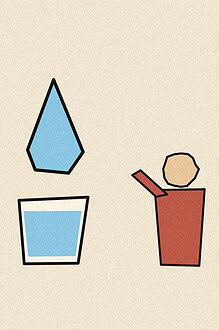
Privates are private. The parts of the body covered by underwear belong only to your child. Nobody should ask to see or touch them, and your child should not be asked to look at or touch anyone else’s. The one clear exception: a doctor, nurse, or family member occasionally needs to, for health or hygiene reasons, but even then, they should explain why and check that it is okay first.
Always remember your body belongs to you. Nobody has the right to make your child do anything with their body that makes them uncomfortable, and if someone tries, your child has every right to say no, including to an adult, including to someone they know and like.
No means no. If your child says no to being touched or tickled or hugged in a way they do not want, that should be respected, by everyone, every time. This also teaches an important reverse lesson: your child should learn to respect when someone else says no to them.
Talk about secrets that upset you. Most normal secrets are fine, a surprise party, a gift. But if someone asks a child to keep a secret that makes them feel worried, scared, or uncomfortable, especially a secret about touching, that is exactly the kind of secret they should tell a trusted adult, even if they were told not to.
Speak up, someone can help. If something happens that upsets or worries them, there is always someone who can help. If the first adult they tell does not help, they should keep telling other adults until someone does.
Why this framing works better than fear-based warnings
Teaching a child to be afraid of strangers misses the reality that most situations involving unsafe touch involve someone the child already knows and trusts, a family member, a family friend, an older peer. A framework built around the child’s own body and their right to say no works regardless of who is involved, which is exactly why it is more protective than “don’t talk to strangers.”
It also avoids putting the weight of prevention entirely on the child. The rules exist to help a child recognise and speak up about something wrong, not to make them responsible for stopping it. If something happens despite this, it is never the child’s fault, and that point is worth stating to your child plainly and directly, more than once.
How to actually have the conversation
Keep it calm, short, and age-appropriate. A few practical approaches:
Use everyday moments. Bath time, getting dressed, swimming lessons, all offer natural openings to talk about private body parts without it feeling like a special, loaded conversation.
Use the real names for body parts. This might feel awkward at first, but it genuinely helps. A child who knows the correct words can describe what happened clearly if they ever need to, and predators are known to specifically target families that use euphemisms, because it signals the subject has not been discussed openly.
Make clear who the trusted adults are. Help your child identify two or three specific people, you, another parent, a grandparent, who they can always go to, no matter what the secret is or who told them to keep it.
Revisit it periodically, not just once. A single talk at age five does not cover a child through adolescence. Update the conversation as your child gets older, and as their world gets bigger, more friends’ houses, sleepovers, more time without direct supervision.
If your child ever tells you something
Stay calm, visibly. Believe them. Thank them for telling you, specifically, since this reinforces that telling was the right choice. Do not promise to keep it secret yourself, and do not pressure them for every detail in the moment. If you are ever unsure what to do next, a doctor, a school counsellor, or a child protection helpline can guide you through the right steps calmly and confidentially.